Rekord Gallery
Rekord Gallery
Monday - Thursday (11:00 - 19:00)
Friday - Saturday (11:00 - 21:00)
Sunday (13:00 - 21:00)


About
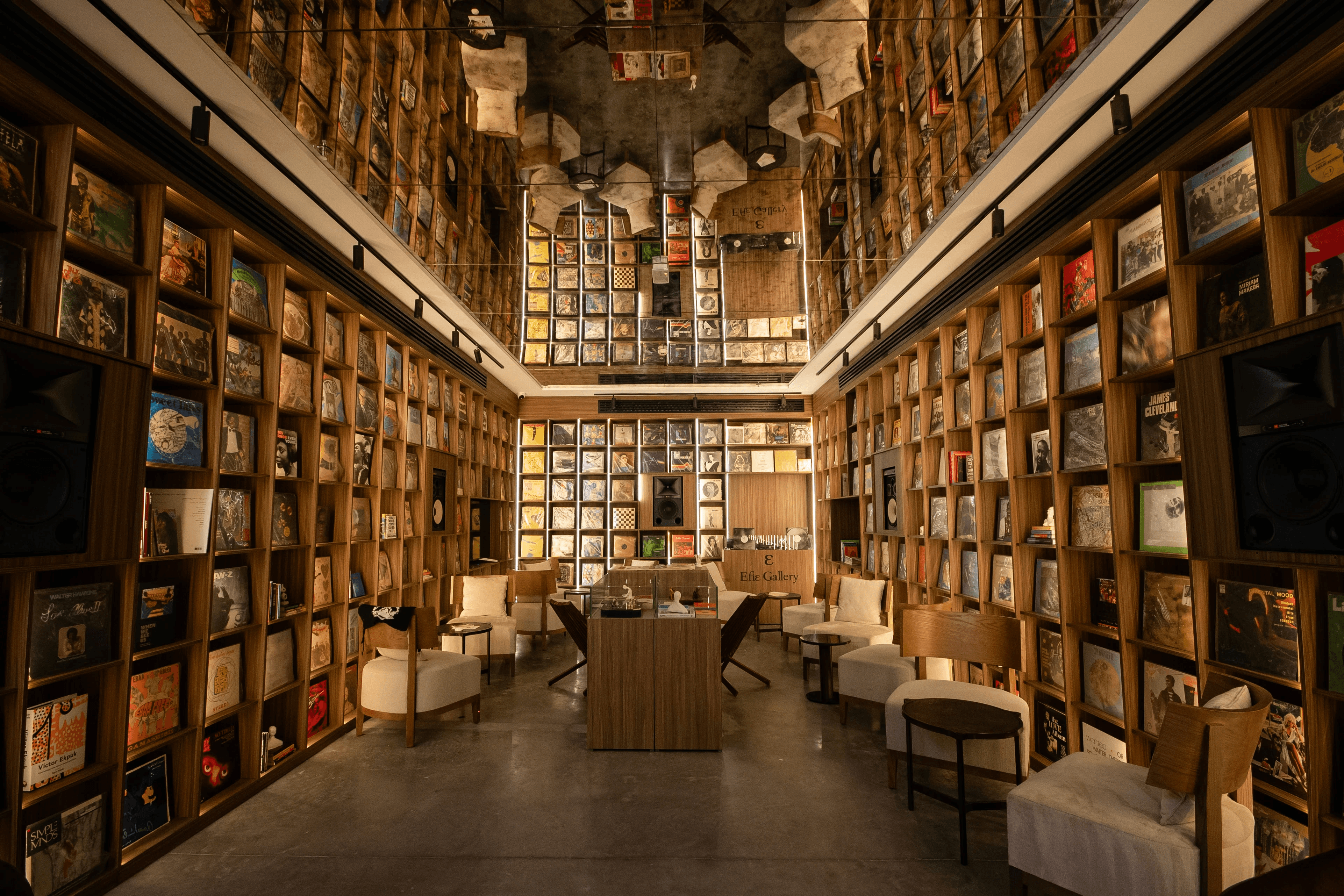
The Rekord Gallery is Efie Gallery’s listening room, screening space and café: a space that considers music not simply as something to be heard, but as an artistic form through which cultures move, meet and continually reshape one another.
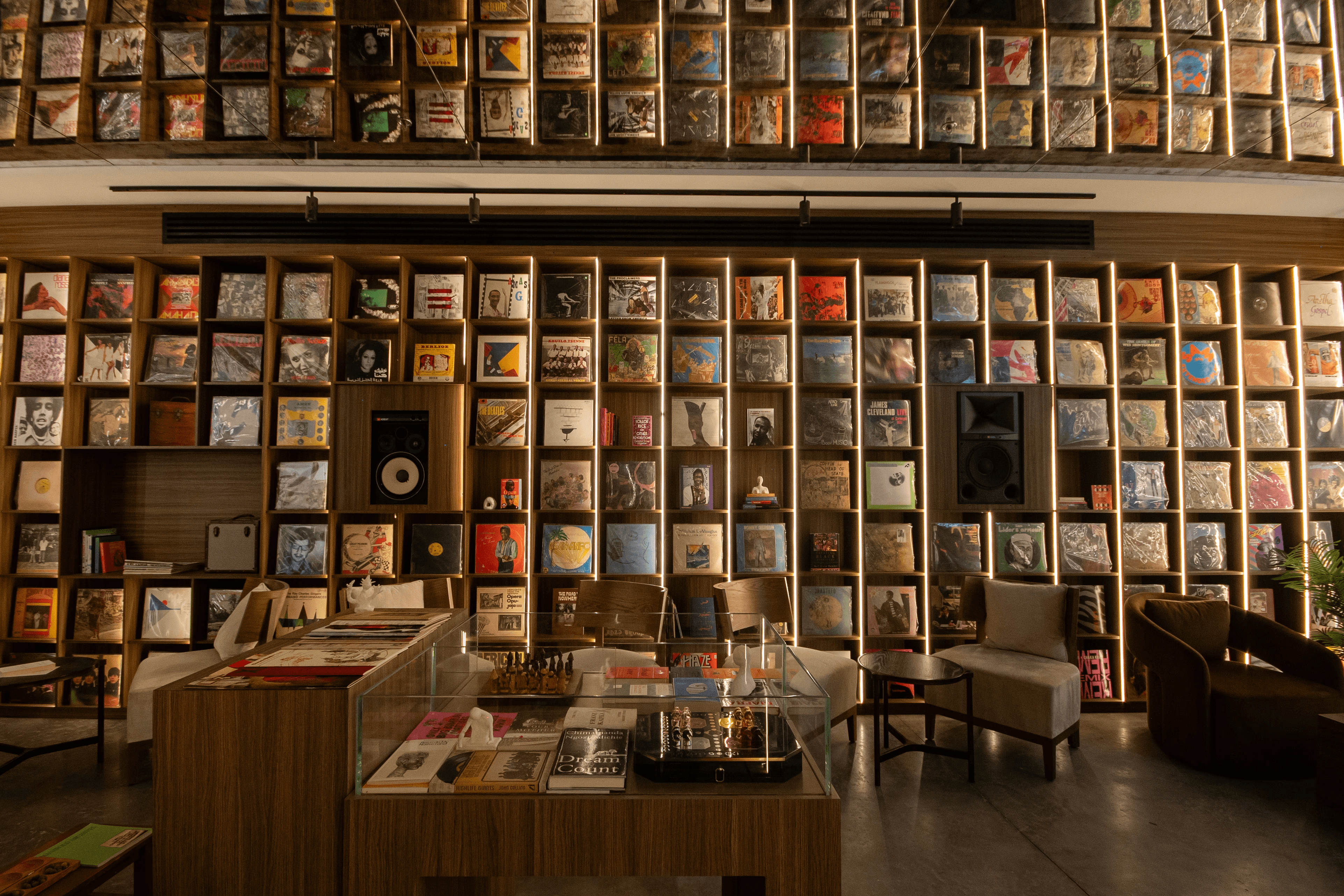
At its centre is a 360-degree high-fidelity sound system and Efie Gallery’s permanent collection of more than 2,000 original vinyl, shellac and cassette recordings, spanning the 1940s to the present. The collection moves freely across periods, places and genres, resisting the idea that the history of music can be understood through fixed geographies or hierarchies. Instead, it reveals culture as fluid: carried across borders, absorbed, reinterpreted and returned in new forms.
Sometimes these connections are direct. Fela Kuti and American vibraphonist Roy Ayers came together across continents on 2000 Blacks Got to Be Free (1980), allowing Afrobeat, jazz, funk and the political consciousness of the African diaspora to converge within a single recording. At other moments, the connections are coincidental yet striking. In 1973, Egyptian composer Soliman Gamil released Prism Music Unit while Pink Floyd released The Dark Side of the Moon: two very different musical propositions, emerging within the same year, both visualised through the image of a refracting prism.
The collection is filled with such proximities. The 1970s alone bring Abdou El Omari’s Nuits D’Été (1976), Fela Kuti’s Ikoyi Blindness (1976), Ebo Taylor’s Twer Nyame (1978), Shigeo Sekito’s Special Sound Series Vol.2 (1975), William DeVaughn’s Be Thankful for What You Got (1974) and Joni Haastrup’s Wake Up Your Mind (1978) into conversation. Moroccan, Ghanaian, Nigerian, Japanese and American histories are present, but geography does not determine their place within the collection. They are different expressions within a shared moment of extraordinary musical experimentation.
The boundaries between artistic disciplines are equally porous. In Prince of Space, Musik der Leere (1965), Yves Klein, an artist most readily situated within the history of visual art, entered the record collection through silence. Such works sit naturally within the Rekord Gallery, where a record is understood simultaneously as music, image, object and document. Sleeve design, photography, typography, recording technology and the physical traces of use all form part of its cultural life.
Across vinyl, shellac, 7-inch records and cassette tapes, the archive therefore becomes less a chronology than a constellation. A recording made in Accra may find an unexpected resonance with one made in Tokyo; Cairo can sit beside London, Lagos beside New York, Casablanca beside Kingston. These relationships do not collapse their differences. Rather, they make visible the exchanges, coincidences and parallel experiments through which culture has always evolved. Music is fluid because culture is fluid.
The Rekord Gallery extends this thinking into moving image through an intimate programme of film screenings, where collective viewing is followed by conversation. As a café, it offers beverages throughout the day, while board games introduce another, informal form of gathering. Listening, watching, playing and conversation coexist without requiring a distinction between cultural experience and social life.
In this sense, the Rekord Gallery extends the idea contained within Efie “home” in Twi. It is a gallery in which recorded music is afforded the same attention and cultural weight as the visual arts; where no geography is treated as centre or periphery; and where an archive remains alive by being listened to, handled and shared.
Rekord Gallery is ultimately a space for convergence: between sound and image, past and present, one geography and another. It asks what becomes possible when these histories are not separated, but allowed to meet.
The Rekord Gallery is a designated cafe space within Efie Gallery that brings people together through food & beverages, music, film, and shared activities. It’s a place to slow down, spend time with others, and enjoy culture in a more relaxed way.
The room is anchored by a hi-fi 360-degree sound system, designed so that listening to music feels full and balanced wherever you sit. The gallery’s permanent collection of over 2,000 original vinyl and shellac records, dating from the 1940s to today features recordings from around the world, offering something familiar as well as something new to discover. Through the exhibition of records, the gallery seeks to highlight the intersection of art and music.
The room is also an exhibition space for film screenings, designed to foster intimate and welcoming opportunities to watch and discuss films.
For those who prefer conversation over competition, we also keep a selection of board games, making the space as much about play and connection as it is about art.
Together, these elements make the Rekord Gallery a simple but thoughtful extension of Efie Gallery a space offering cross-cultural exchange opportunities, created for guests to listen, watch, play, and spend time together.


Past Programmes
Past Programmes
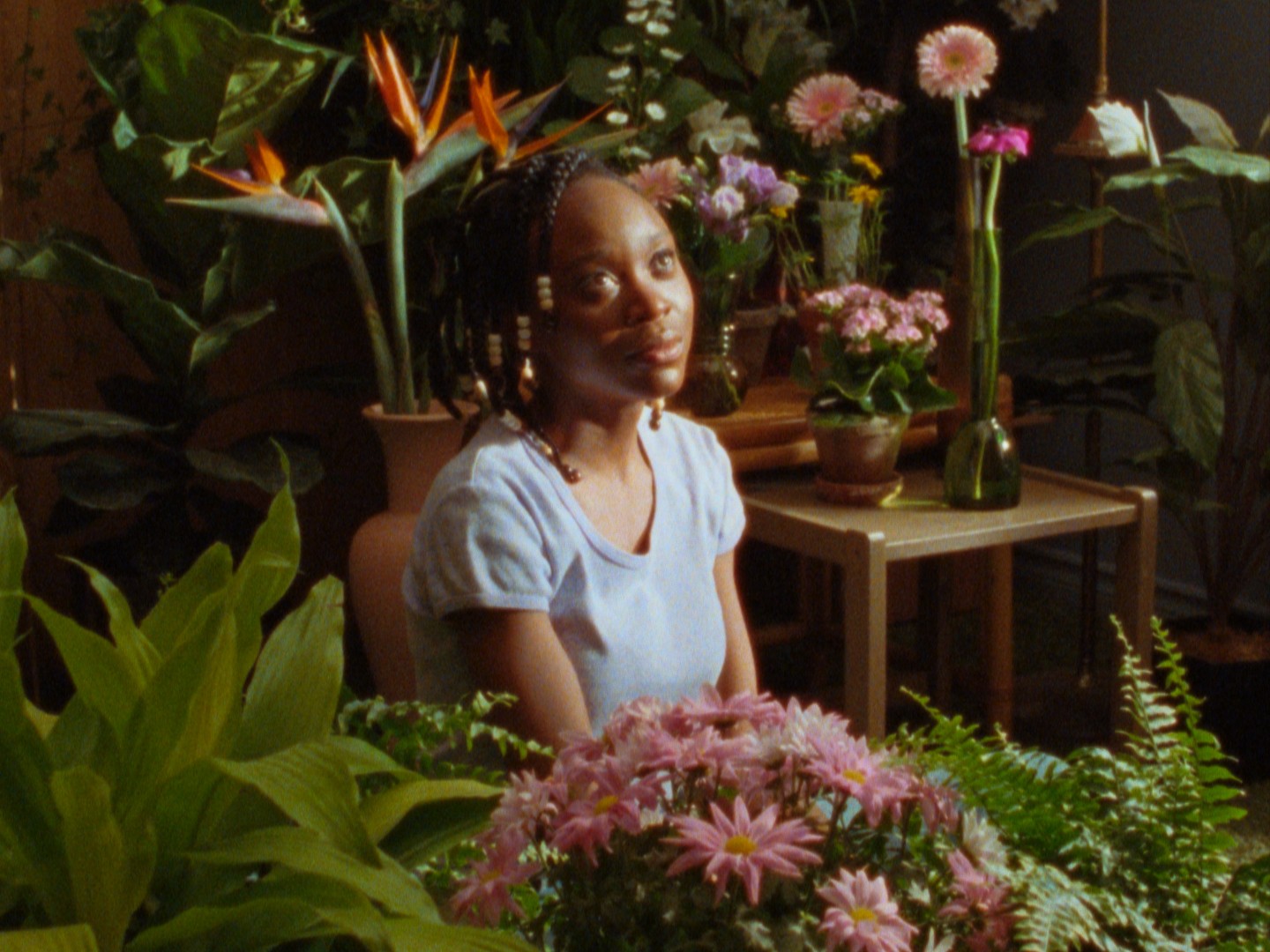
Cette Maison
Film Screening | In Collaboration with Bootleg Griot Friday, 2 October 2026 Rekord Gallery, Dubai United Arab Emirates
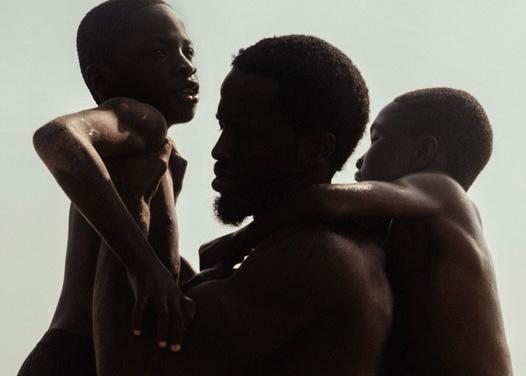
My Father's Shadow
Film Screening | In Collaboration with Bootleg Griot Monday, 27 July 2026 Rekord Gallery, Dubai United Arab Emirates

Alazar
Film Screening | In Collaboration with Bootleg Griot Wednesday, 8 July 2026 Rekord Gallery, Dubai United Arab Emirates
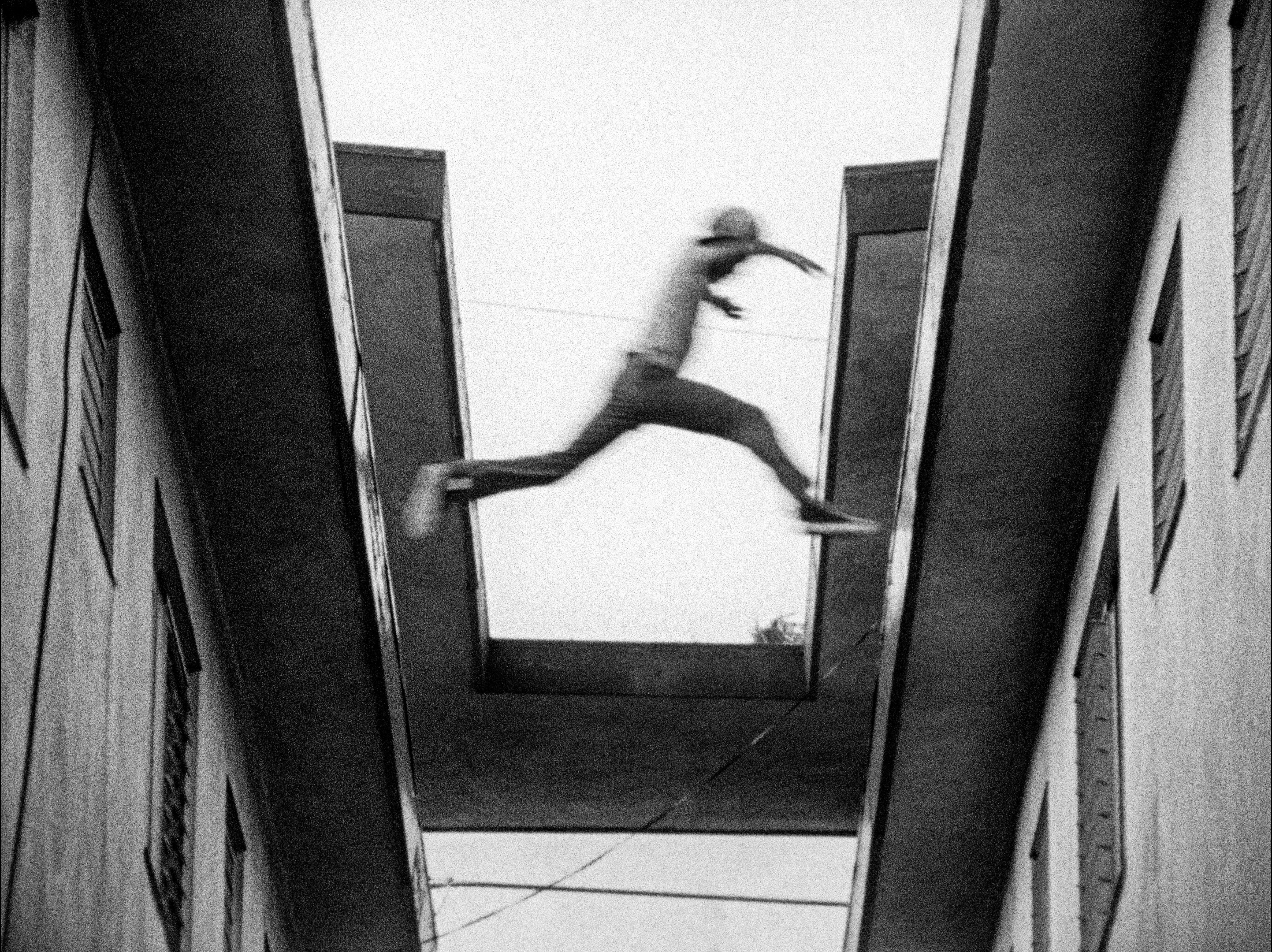
Killer of Sheep
Film Screening | In Collaboration with Bootleg Griot Friday, 29 May 2026 Rekord Gallery, Dubai United Arab Emirates
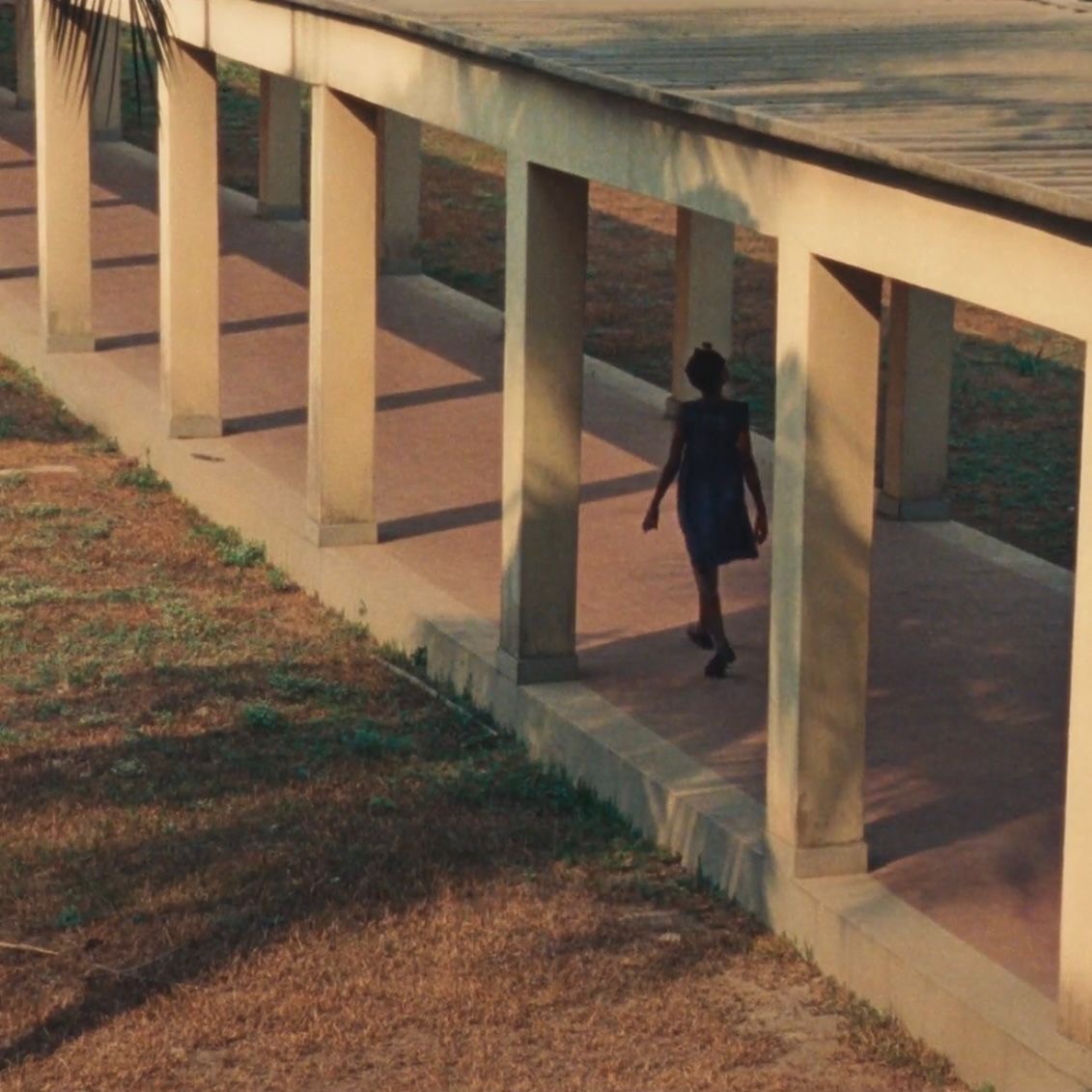
Lizard
Film Screening | In Collaboration with Bootleg Griot Friday, 1 May 2026 Rekord Gallery, Dubai United Arab Emirates
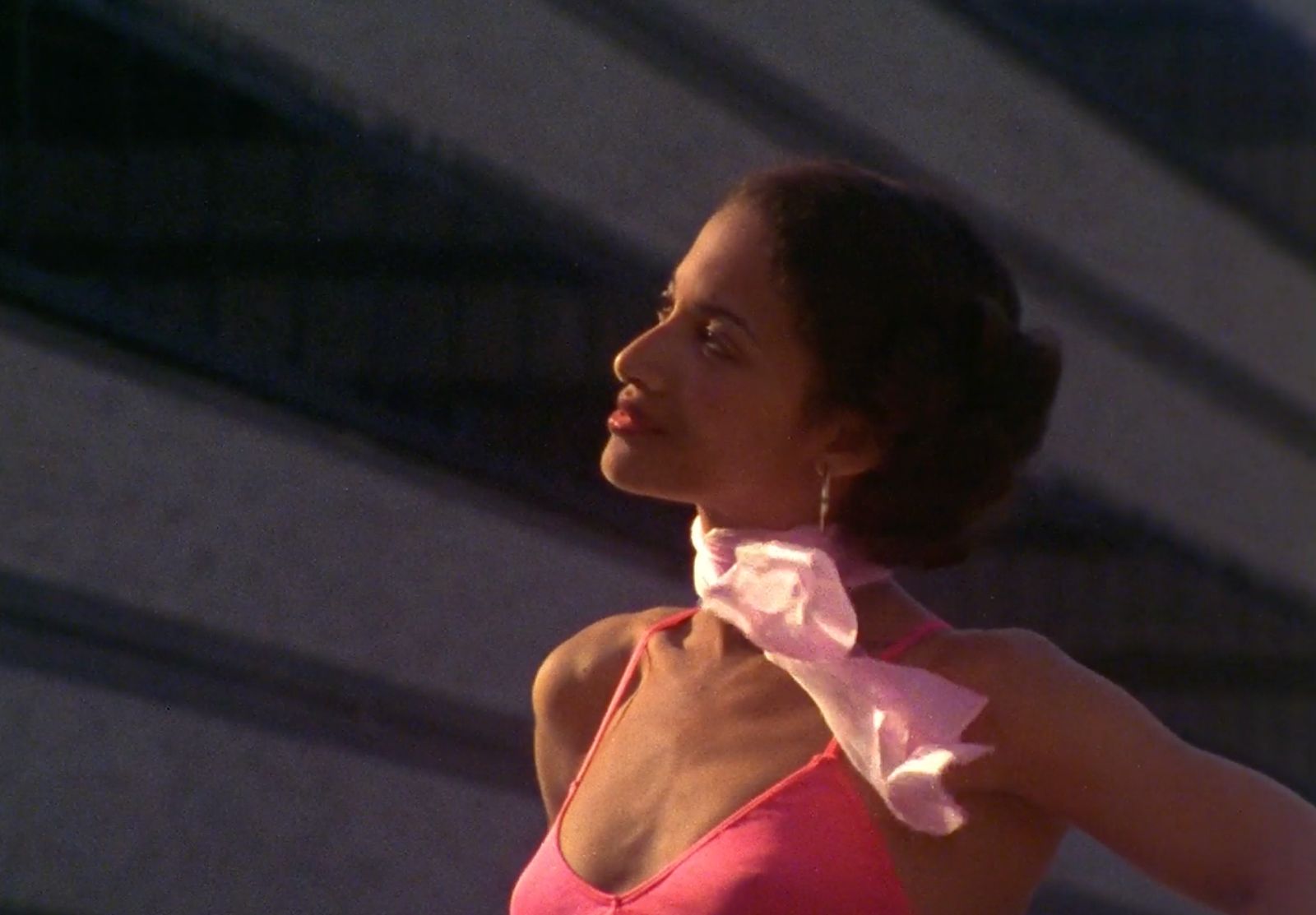
Losing Ground
Film Screening | In Collaboration with Bootleg Griot Friday, 27 March 2026 Rekord Gallery, Dubai United Arab Emirates
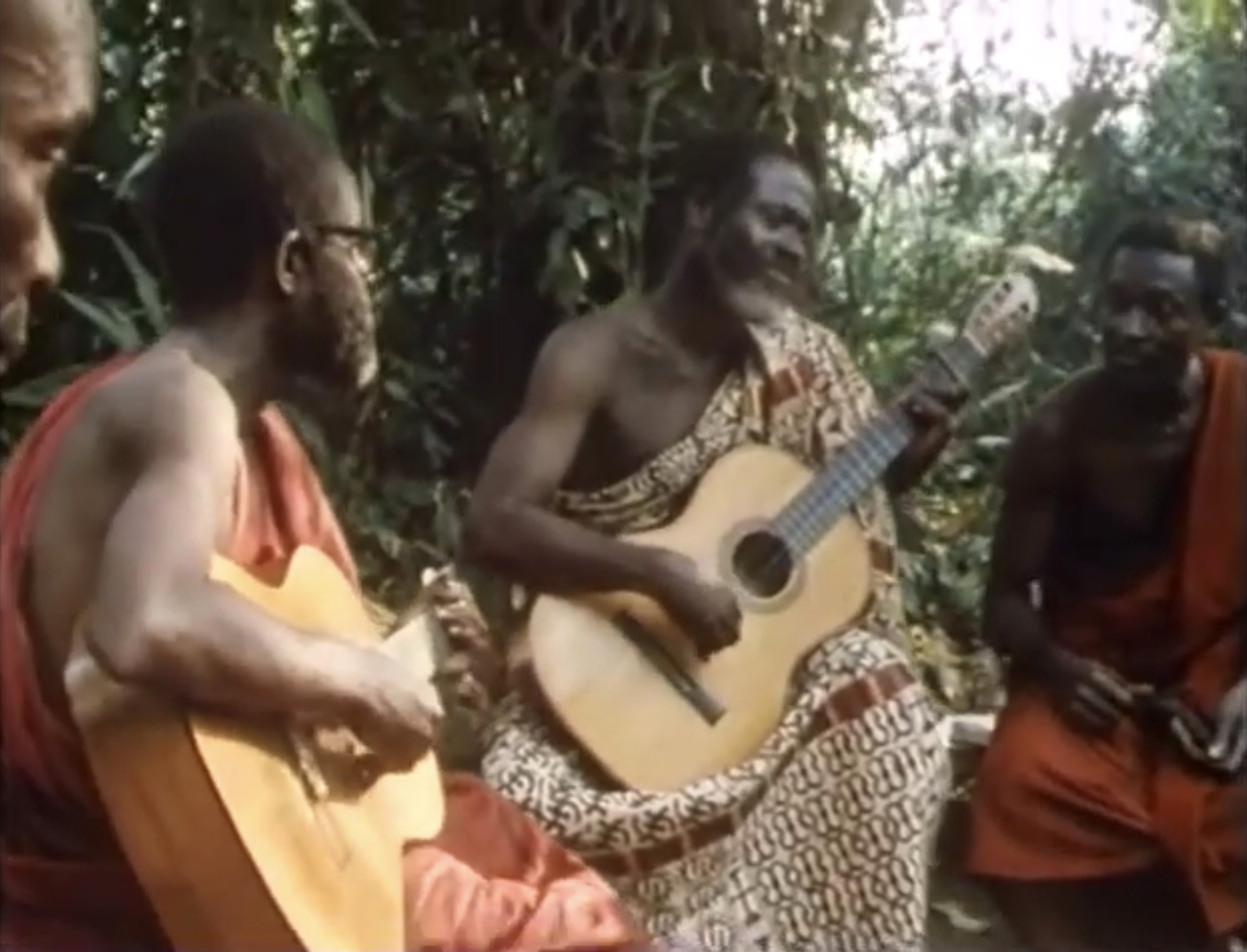
Repercussions – Africa Comeback
Film Screening | In Collaboration with Bootleg Griot Friday, 20 February 2026 Rekord Gallery, Dubai United Arab Emirates
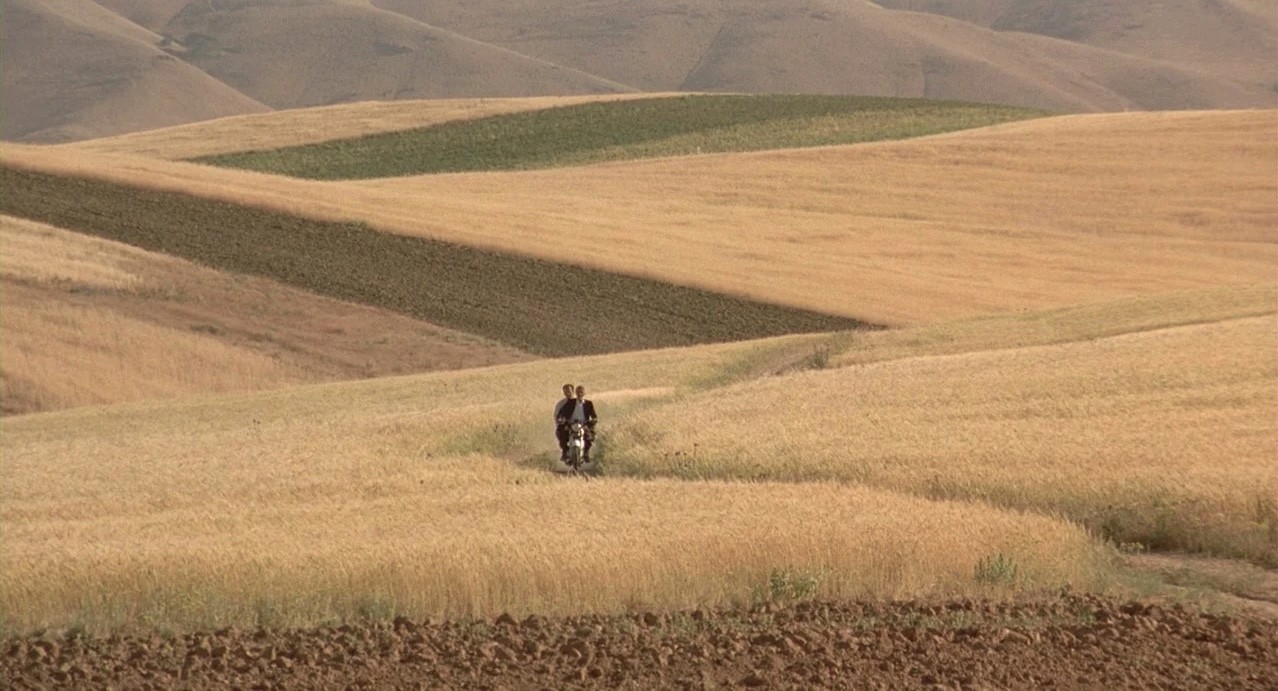
The Wind Will Carry Us
Film Screening | In Collaboration with Bootleg Griot Friday, 31 October Rekord Gallery, Dubai United Arab Emirates
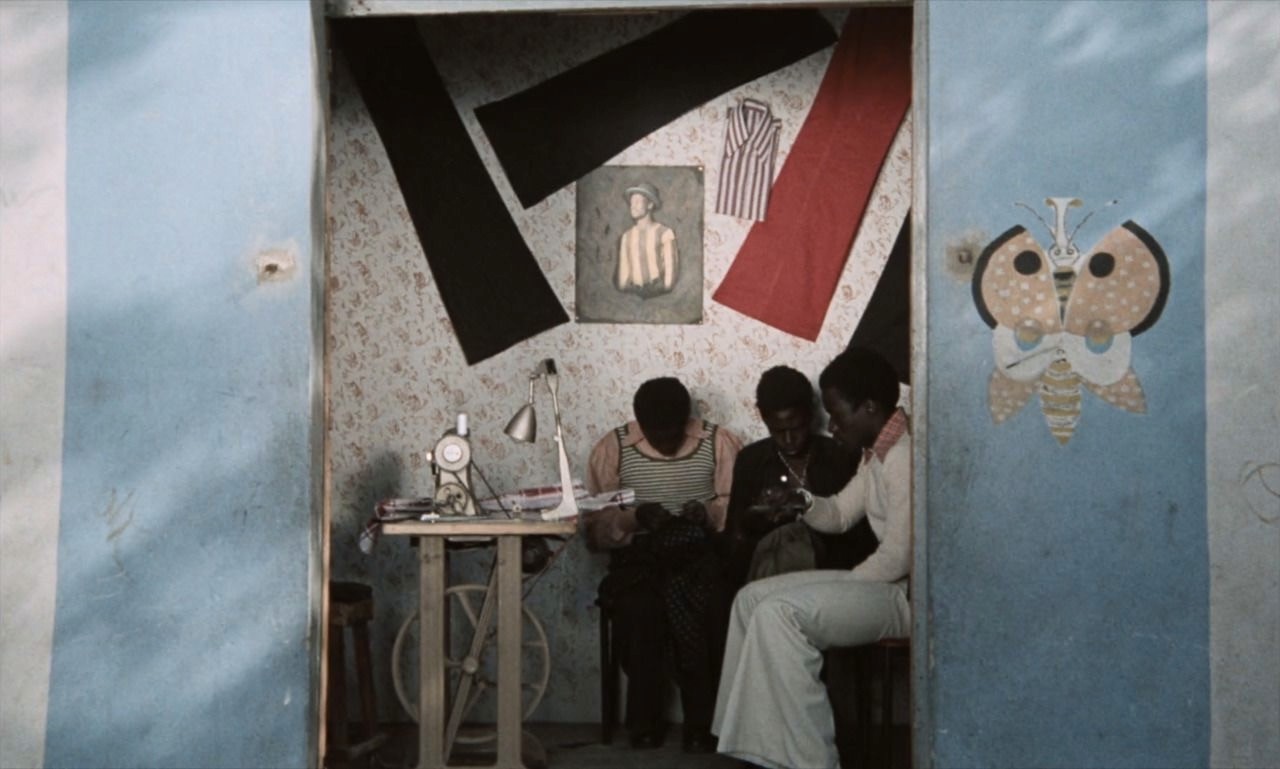
Xala
Film Screening | In Collaboration with Bootleg Griot Friday, 21 November Rekord Gallery, Dubai United Arab Emirates
Load more
Cette Maison
Film Screening | In Collaboration with Bootleg Griot Friday, 2 October 2026 Rekord Gallery, Dubai United Arab Emirates
My Father's Shadow
Film Screening | In Collaboration with Bootleg Griot Monday, 27 July 2026 Rekord Gallery, Dubai United Arab Emirates
Alazar
Film Screening | In Collaboration with Bootleg Griot Wednesday, 8 July 2026 Rekord Gallery, Dubai United Arab Emirates
Killer of Sheep
Film Screening | In Collaboration with Bootleg Griot Friday, 29 May 2026 Rekord Gallery, Dubai United Arab Emirates
Lizard
Film Screening | In Collaboration with Bootleg Griot Friday, 1 May 2026 Rekord Gallery, Dubai United Arab Emirates
Losing Ground
Film Screening | In Collaboration with Bootleg Griot Friday, 27 March 2026 Rekord Gallery, Dubai United Arab Emirates
Repercussions – Africa Comeback
Film Screening | In Collaboration with Bootleg Griot Friday, 20 February 2026 Rekord Gallery, Dubai United Arab Emirates
The Wind Will Carry Us
Film Screening | In Collaboration with Bootleg Griot Friday, 31 October Rekord Gallery, Dubai United Arab Emirates
Load more
Cette Maison
Film Screening | In Collaboration with Bootleg Griot Friday, 2 October 2026 Rekord Gallery, Dubai United Arab Emirates
My Father's Shadow
Film Screening | In Collaboration with Bootleg Griot Monday, 27 July 2026 Rekord Gallery, Dubai United Arab Emirates
Alazar
Film Screening | In Collaboration with Bootleg Griot Wednesday, 8 July 2026 Rekord Gallery, Dubai United Arab Emirates
Killer of Sheep
Film Screening | In Collaboration with Bootleg Griot Friday, 29 May 2026 Rekord Gallery, Dubai United Arab Emirates
Lizard
Film Screening | In Collaboration with Bootleg Griot Friday, 1 May 2026 Rekord Gallery, Dubai United Arab Emirates
Losing Ground
Film Screening | In Collaboration with Bootleg Griot Friday, 27 March 2026 Rekord Gallery, Dubai United Arab Emirates
Load more